Wondering if Webster Groves is the kind of place where your family can put down roots and thrive? You’re not alone. Many buyers are drawn to its tree-lined streets, historic charm, and small-city feel near major St. Louis job centers. In this guide, you’ll get a clear picture of the housing mix, daily lifestyle, schools, commute options, and what to consider before you commit. Let’s dive in.
Webster Groves at a glance
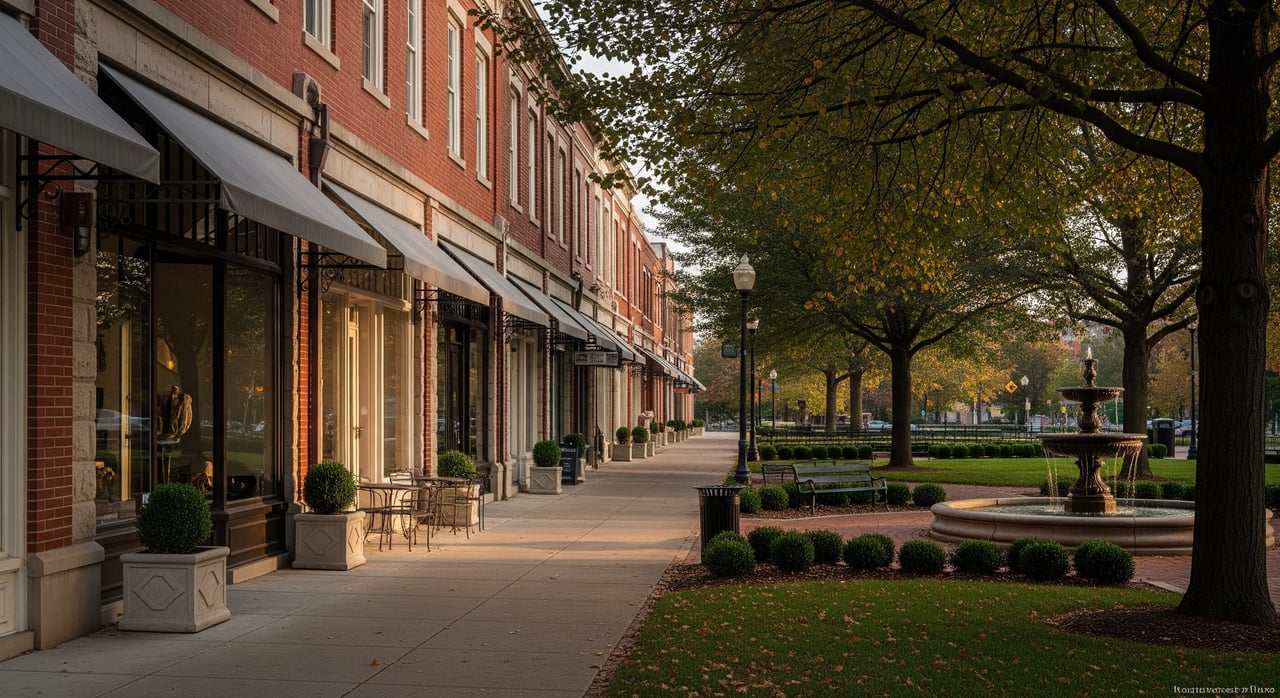
Webster Groves is a mature, close-in suburb in St. Louis County with a strong sense of identity and community. You’ll find a compact downtown core, often called Old Webster, with restaurants, coffee shops, and local retail that give the area a small-town vibe.
The city’s scale feels approachable. It has one municipal government, active community organizations, and established neighborhoods that reflect more than a century of residential architecture. If you want historic character and a walkable main street feel near the heart of the metro, you’ll likely feel at home here.
A quick neighborhood tour
Picture a typical weekend morning. You grab coffee in Old Webster, stroll past independent shops, then head down a side street lined with mature trees and early 20th-century homes. A few blocks away, you might find a row of bungalows or a mid-century ranch with a deeper lot. Near the core, you’ll see a handful of townhomes or condos that appeal if you want lower maintenance and proximity to amenities.
This blend of historic charm and practical convenience is a big part of Webster’s appeal for families and move-up buyers.
Housing styles and what to expect
You’ll see a range of eras and styles, which means plenty of options for different tastes and budgets.
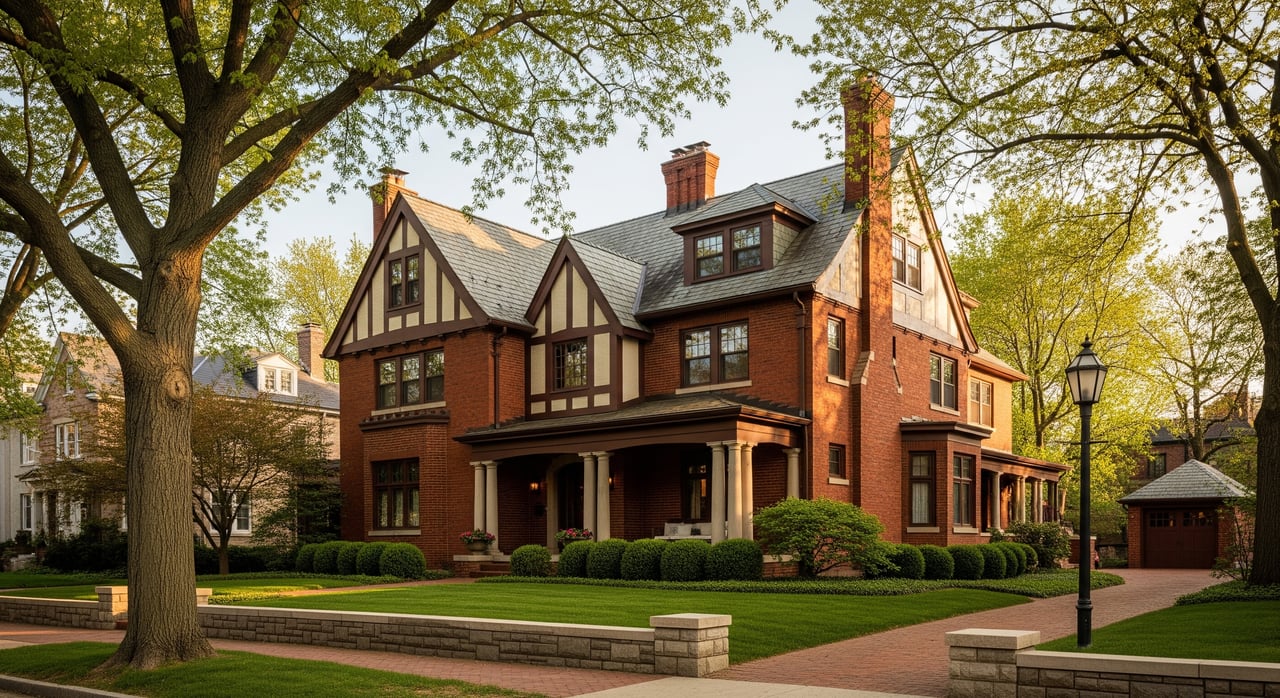
- Late 19th- and early 20th-century homes, including Victorian, Colonial Revival, and Tudor Revival, often with detailed millwork and large porches.
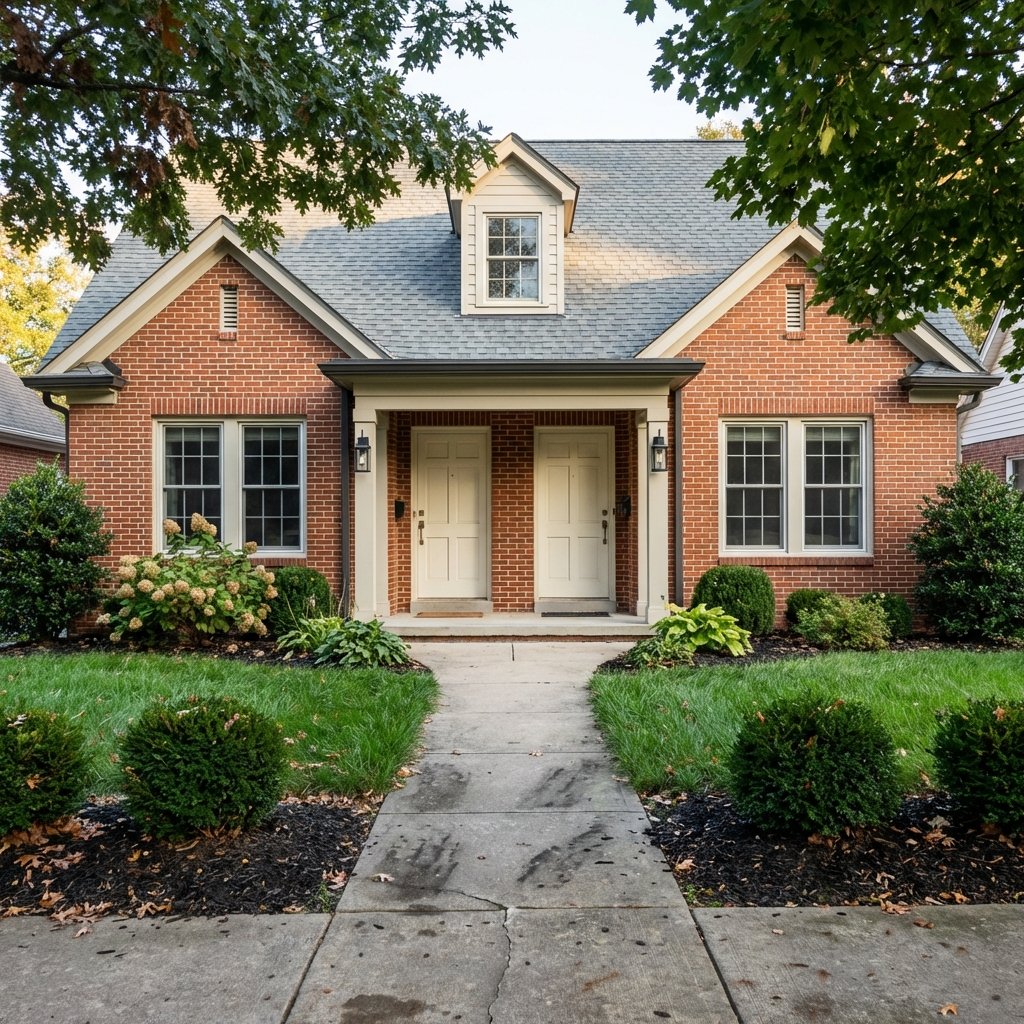
- Early 20th-century bungalows and Craftsman homes known for warmth and livability.
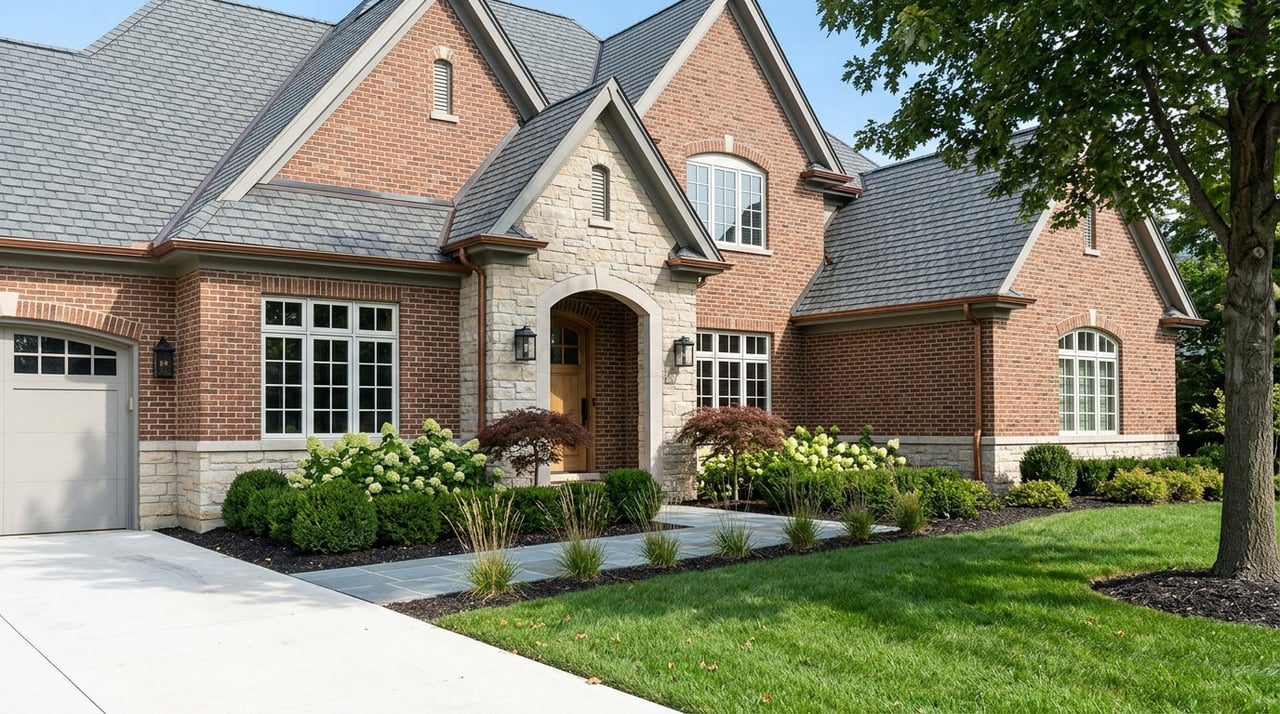
- Mid-century ranches and some later infill or new-construction properties.
- A small number of condos and townhomes, generally closer to the downtown core or along key corridors.
Older homes can come with older systems. Plan to evaluate HVAC age, electrical service, and plumbing. Very old homes may have knob-and-tube wiring or lead-based paint. Many buyers also check foundation condition, insulation, windows, roof age, and may request radon testing or chimney, pest, and sewer lateral inspections. A thorough home inspection with specialists where needed is a smart move.
What to budget and how to plan
Market conditions change, and so do prices. Instead of locking into numbers, think in tiers and collect fresh data before you write an offer.
- Entry options: Condos or townhomes near the core or along transit corridors.
- Starter single-family: Bungalows, smaller Craftsman homes, or modest ranches.
- Move-up segment: Renovated historic homes or larger mid-century homes with updates.
- Upper tier: Large historic properties or homes that have been substantially renovated.
Use these steps to firm up your budget:
- Check current median sale prices, inventory, and days on market using recent local MLS or St. Louis Realtors snapshots.
- Confirm your target property’s tax history and current rate with St. Louis County records.
- Add a repair/upgrade contingency for older homes. Common items include electrical upgrades, insulation, window improvements, HVAC, and sewer laterals.
- Consider seasonality. Listings often increase in spring, which can change competition and timing.
Schools and family services
Much of the city is served by the Webster Groves School District. Boundaries can vary by address, so verify the exact assignment for any home you consider. Families often review district and school report cards through the Missouri Department of Elementary and Secondary Education and look at program offerings like Advanced Placement, arts, or gifted options.
If you are exploring alternatives, you’ll find private and parochial schools nearby, along with early childhood options. Practical questions to ask include bus availability, before and after care, and extracurricular strengths. Compare nearby districts at a high level by looking at official state data rather than rankings alone.
Use a simple process:
- Verify the address-specific school assignment with the district before you make an offer.
- Review district report cards for academic outcomes and program details.
- Walk potential school routes and note crossings, sidewalks, and time of day.
Parks, lifestyle, and community feel
Webster Groves blends small-city convenience with active community life. You can enjoy city-run parks, playgrounds, fields, and recreation programming. The local calendar often includes family-friendly events and seasonal activities. Downtown-adjacent neighborhoods offer a walkable experience to dining and services, while outer areas are more car-dependent.
If walkability is important, focus your search near Old Webster and surrounding blocks. If yard size and privacy matter more, explore deeper lots in older neighborhoods a bit farther out from the core.
Commuting and getting around
Webster Groves sits near major St. Louis job centers like downtown, Clayton, and Brentwood. Many buyers choose the city for that close-in commute. The public transit network serves the region, and you can review current MetroBus routes and nearby MetroLink access when planning your routine. Walkability varies by block. Areas near the core are usually the most pedestrian friendly.
Parking layouts reflect the city’s age. Narrower streets and on-street parking are common, especially near downtown and in older neighborhoods. If you need multiple off-street spaces, check garage size, driveway access, and any local parking guidelines before you buy.
How Webster compares nearby
If you’re looking across several inner-ring suburbs, here is a high-level way to frame the differences:
- Kirkwood: Similar historic character and a lively downtown core. Some areas can trend higher in price. Many buyers compare specific streets and updates across both cities.
- Maplewood: Known for an eclectic, arts-oriented vibe with active dining and retail corridors. Housing stock includes older homes with ongoing redevelopment.
- Clayton: A regional employment center with a mix of higher-density housing and single-family neighborhoods. Homes often price higher, with a different urban feel.
- Webster Groves: Centrally located with historic architecture, a walkable main street, and a range of price points. It is often more affordable than Clayton and parts of Kirkwood, while offering more historic single-family options than many outlying suburbs.
Your best move is to compare specific homes across these areas, factoring in commute, lifestyle, and renovation needs rather than relying on city-wide averages alone.
Key buyer considerations for older homes
Older homes deliver charm and craftsmanship, and they can also require planning. Keep these items front and center:
- Mechanical systems: HVAC age, electrical service upgrades, and plumbing materials.
- Structure and envelope: Foundation, roof, windows, and insulation for energy efficiency.
- Environmental: Lead-based paint in very old homes, potential asbestos, and radon testing.
- Sewer lateral: Many buyers complete a camera inspection to spot issues early.
- Flood and drainage: Review local drainage history and floodplain maps if a property sits near low-lying blocks.
A complete inspection, plus specialist reports where appropriate, helps you budget with confidence.
Decision checklist for your next step
Use this quick list to decide if Webster Groves is the right fit and to move forward with clarity:
- School boundaries: Verify the exact school assignment for your target address with the district.
- Commute test: Drive or ride at your actual commute time to downtown, Clayton, or your work center.
- Walkability review: Walk from the house to Old Webster or nearby services to see how it feels.
- Inspection priorities: Plan for full home, sewer lateral, radon, and roof evaluations. Add chimney or pest inspections as needed.
- Budget tune-up: Pull current local market data, confirm property taxes with the county, and set a repair contingency for older systems.
- Parking and storage: Confirm garage and driveway capacity, plus storage for bikes or strollers.
- Future plans: Check city planning or neighborhood meeting notes for any nearby projects that could affect daily life.
If these boxes check out for you, Webster Groves can be a strong long-term choice with enduring appeal.
Ready to talk next steps?
When you need local, practical guidance, you deserve a trusted advisor who knows the blocks, the school boundaries, and the inspection realities of older homes. If Webster Groves is on your shortlist, let’s build a plan tailored to your timing and budget. Reach out to Maureen Onder for a local market consult and a short list of homes that match your goals.
FAQs
Is Webster Groves a good fit for families who want a walkable area?
- Many buyers focus on blocks near Old Webster for walkability to coffee, dining, and services, while outer neighborhoods lean more car-dependent.
What types of homes are most common in Webster Groves?
- You’ll find historic Victorians, Colonial and Tudor Revivals, Craftsman bungalows, mid-century ranches, and some infill or townhomes near the core.
Do older Webster Groves homes require special inspections?
- Yes, plan for a thorough inspection and consider specialists for sewer laterals, radon, chimneys, and electrical or plumbing in very old homes.
How should I estimate costs before I buy in Webster Groves?
- Pull current local market data, confirm property taxes with the county, and add a repair contingency for typical updates in older homes.
Which schools serve Webster Groves addresses?
- Much of the city is served by the Webster Groves School District, but boundaries vary by address, so verify the exact assignment with the district.
What is the commute like from Webster Groves to major job centers?
- It is a close-in suburb relative to downtown St. Louis, Clayton, and Brentwood; test your route at your usual commute time for a realistic read.