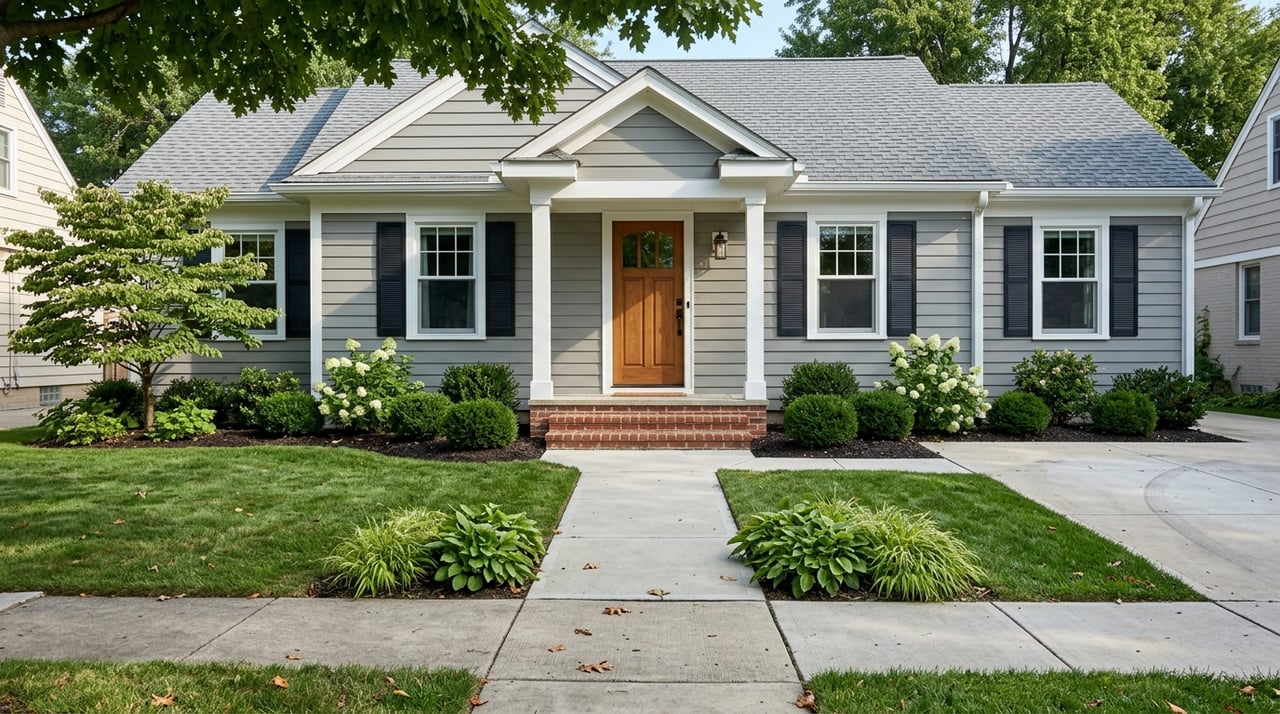
If you are trying to picture daily life in Webster Groves, the first thing to know is this: it tends to feel more like a collection of lived-in neighborhood routines than a fast-moving suburb. You are not looking at a huge place where everything happens in one shopping corridor or where people pass through quickly. Instead, you get a compact city with steady neighborhoods, older homes, walkable pockets, and easy access to the rest of St. Louis. Let’s take a closer look at what that really means day to day.
Webster Groves feels close-knit
Webster Groves is a small, established suburb that covers 5.93 square miles. The 2020 Census counted 24,010 residents, with a 2025 estimate of 23,450, so it reads as a place where you can start to recognize streets, routines, and local gathering spots pretty quickly.
That smaller footprint shapes daily life in a practical way. The city describes itself as tree-lined and walkable, and the numbers support a settled feel. About 91.0% of residents lived in the same house one year earlier, which points to a neighborhood base that is more stable than transient.
Getting around is pretty easy
One reason Webster Groves appeals to so many buyers is that you can enjoy a residential setting without feeling cut off from the region. Downtown St. Louis and Clayton are about a 10-minute drive away, and two MetroLink stations are within minutes of the city.
That kind of access matters in everyday life. Whether you commute regularly, split time between city and suburb, or just want options for work and errands, the location keeps a lot within reach. The mean commute time is 19.0 minutes, which helps support a manageable day-to-day rhythm.
Daily errands happen in local districts
A big part of Webster Groves living is how errands and social life are spread across smaller commercial areas. The city officially identifies three business districts: Old Webster, Old Orchard, and Crossroads.
That layout gives the city a village-like pattern. Instead of one dominant retail strip, you get several neighborhood-serving areas where shopping, dining, and casual meetups are part of the local routine. The city also notes that these districts stay active through events, pedestrian amenities, landscaping, business promotion, and community activities.
Old Webster, Old Orchard, and Crossroads
These districts help shape how the city feels from one week to the next. You may find yourself grabbing a quick errand in one area, meeting friends in another, and attending a seasonal event in a third. That spread-out activity can make the city feel active without feeling overcrowded.
For buyers, this often translates to more than convenience. It adds texture to daily life. You are not just driving in and out of a single shopping center. You are moving through smaller, recognizable places that feel connected to the neighborhoods around them.
The farmers market adds a weekly rhythm
From April through October, the Webster Groves Farmers Market adds another layer to local life. The city says the market offers local meat, bakery items, and produce, and the market describes itself as having grown into three rotating Sunday events.
That kind of recurring event matters because it creates a routine people can build into their weekends. It is one more example of how Webster Groves tends to feel lived in and local, rather than purely residential.
Community events are part of the calendar
Webster Groves has a strong lineup of seasonal and cultural anchors that help shape the year. The city highlights events such as the Webster Art Fair, Old Webster Jazz and Blues Festival, Old Orchard Gazebo Series, Community Days, Old Webster Street Dance, and the Christmas Open House.
These are the kinds of events that can make a place feel active beyond just work and home life. They give you familiar points on the calendar and easy ways to get out, walk around, and reconnect with the community.
Arts and culture are built in
The city also has notable cultural anchors, including Webster University, the Loretto-Hilton Theatre, the St. Louis Repertory Theatre, and Opera Theatre St. Louis. Even if you are not attending performances every week, these institutions add to the overall identity of the city.
In practical terms, that can make Webster Groves feel more layered than a typical suburb. There is a residential, neighborhood-centered side of life here, but there is also a cultural presence that gives the area a little more depth and activity.
Outdoor life is easy to work into your routine
One of the clearest day-to-day benefits of living in Webster Groves is how visible outdoor space is across the city. Webster Groves has 17 community parks, three bird sanctuaries, and a recreation center with an outdoor pool and indoor ice rink.
That means outdoor options are not limited to one major park. They are woven into the city in a way that supports short walks, playground stops, casual bike rides, and regular time outside.
Deer Creek Greenway supports daily movement
The Deer Creek Greenway is a 2-mile trail that connects Lorraine Davis Park, Marshall Trailhead, Barnickel Park, and Deer Creek Park. For many people, that kind of trail matters more than a headline amenity because it supports ordinary routines.
It gives you an easy place to walk, bike, or just get outside without needing a big plan. In a city this size, connections like that help make outdoor activity feel like a normal part of the week.
Parks range from active to quiet
Blackburn Park is nearly 36 acres and includes ballfields, tennis courts, pickleball courts, pavilions, playgrounds, walking paths, and a bird sanctuary. The city also says a new playground was added there in 2023, which adds to its role as a major community space.
At the other end of the spectrum, Gazebo Park is a 0.33-acre pocket park at Big Bend and South Old Orchard, with a rebuilt gazebo and apple sculptures by Bob Cassilly. Shady Creek Nature Sanctuary, located at West Kirkham and North Elm Avenues, adds another quieter green space to the mix.
Together, these spaces create variety. Some days may call for a bigger, more active park. Other days may just be about a short stop outdoors on your way through town.
Homes feel established and varied
Webster Groves has a mature housing stock, and that shapes the feel of the city as much as anything else. Census data show that 76.1% of homes are owner occupied, the median owner-occupied home value is $387,600, and the median gross rent is $1,650.
There are 9,446 households, with 2.41 persons per household. Those numbers fit a place where many residents stay put and where blocks often feel settled rather than constantly turning over.
Architecture has real range
Webster Groves was established in 1896, but homes in the city date from the mid-1800s to the present. The city says it has five historic districts and 48 historic landmarks, and exterior changes in certain contexts may be reviewed by the Historic Preservation Commission and Architectural Review Board to help preserve architectural uniqueness.
That preservation framework helps explain why the city often feels visually distinct. You are not seeing row after row of one house type. Instead, many streets show an architectural mix that has built up over time.
Older homes shape the streetscape
In the Central Webster Historic District, the National Register inventory describes mostly single-family frame houses that are two or two-and-a-half stories tall. Styles popular from the 1860s through the 1920s are represented, including Queen Anne, Shingle Style, Italianate, Victorian vernacular, American Foursquare, Craftsman, and bungalow-era homes.
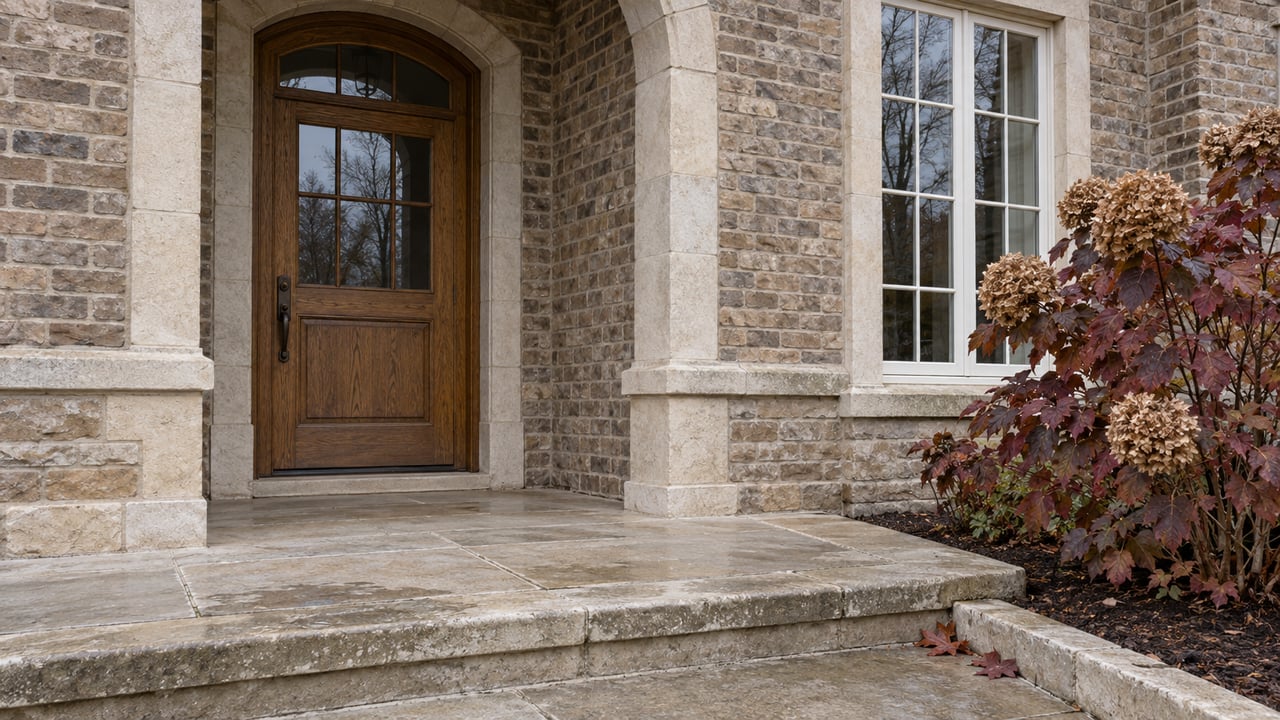
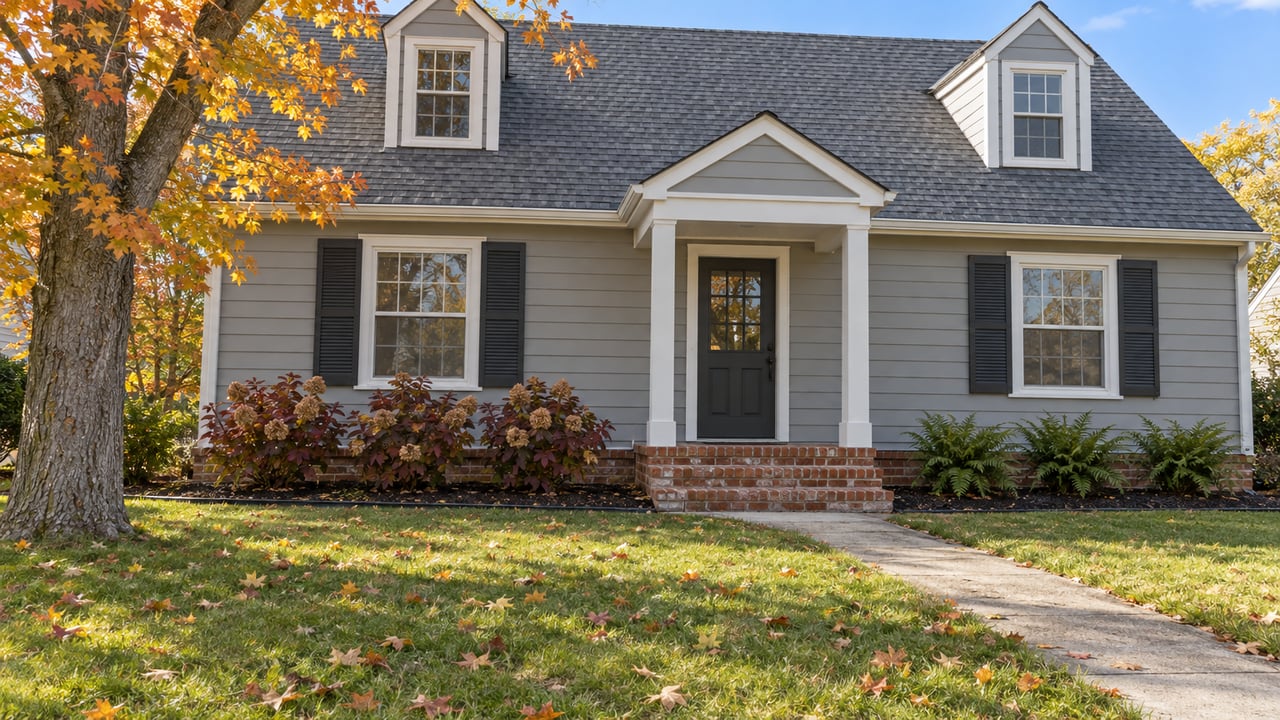
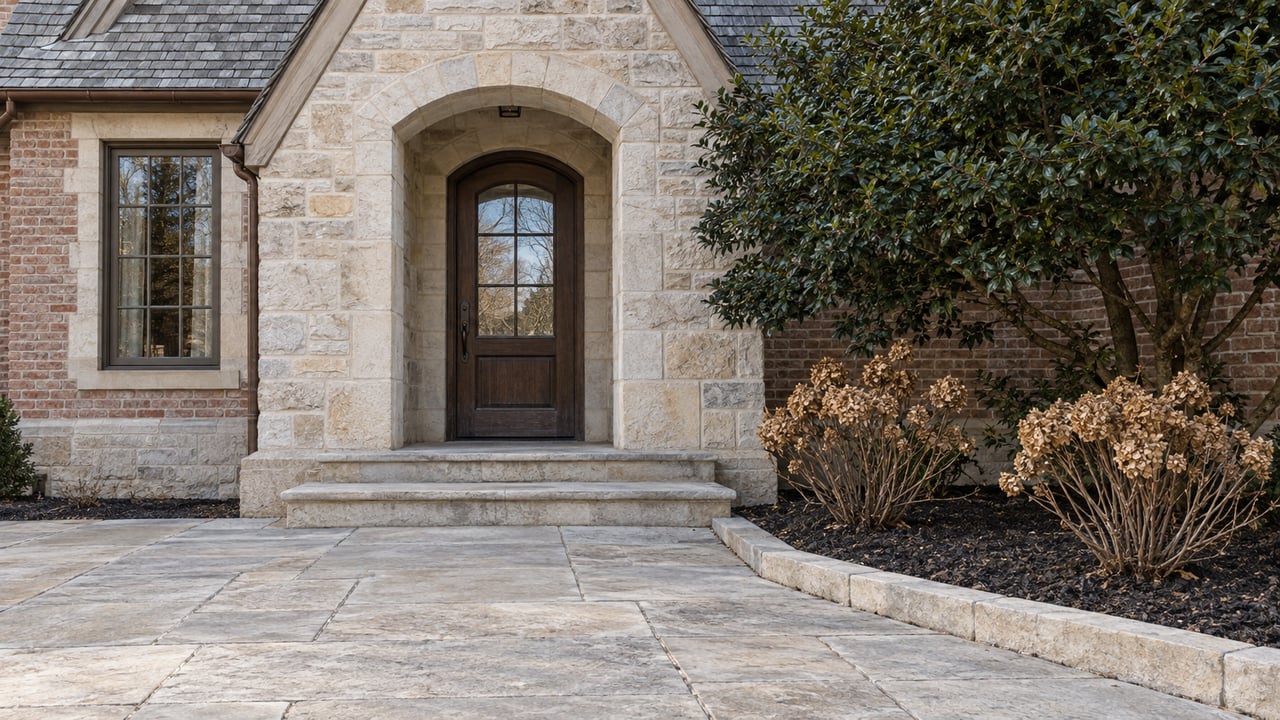
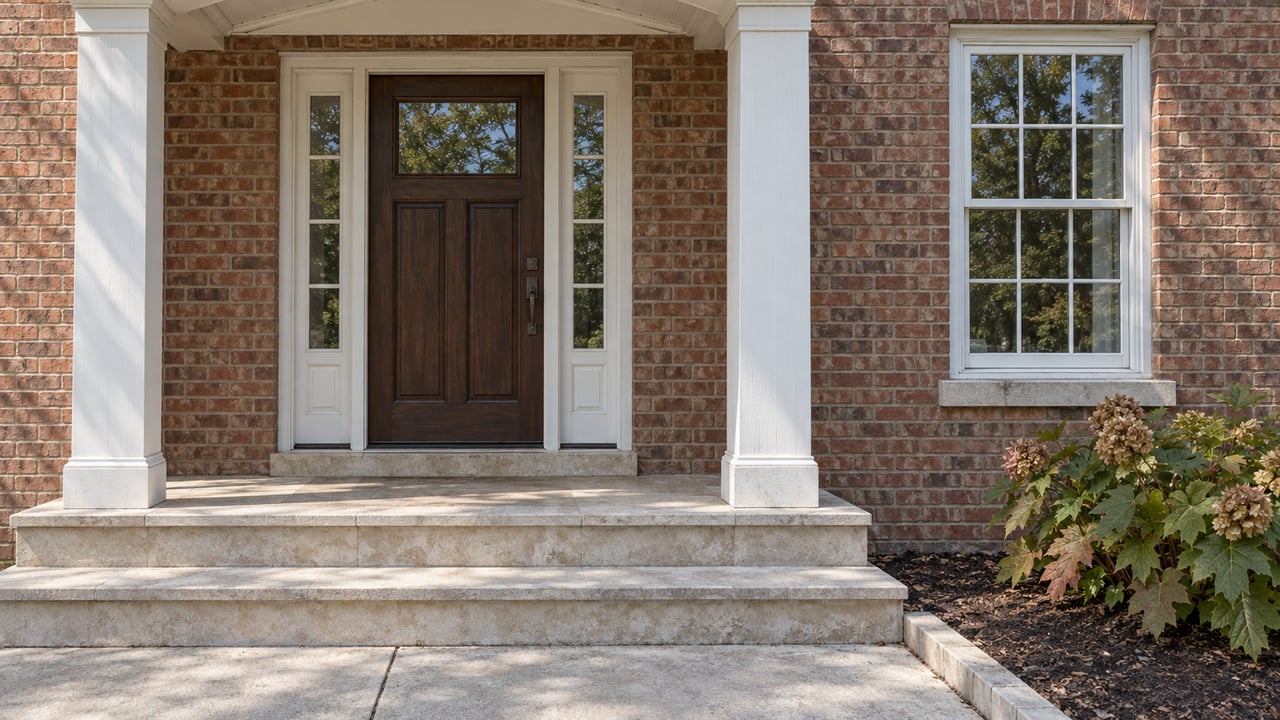
Many are set on deep lots with mature tree canopy and wide front porches. In everyday terms, this gives parts of Webster Groves an architecturally layered feel rather than a uniform one. If you are drawn to homes with visible character and established surroundings, that is often part of the appeal.
What day-to-day life often comes down to
When you step back, Webster Groves tends to offer a specific kind of rhythm. It feels established, locally oriented, and connected to St. Louis without losing its own identity. You can move through neighborhood business districts, spend time in parks and along greenways, and live among homes that reflect many decades of local history.
For some buyers, that mix is exactly the point. You are choosing a place where convenience, older-home character, and everyday community life all show up in small, steady ways. If that is the kind of environment you want, Webster Groves is worth a closer look.
If you are thinking about buying, selling, or leasing in Webster Groves or anywhere in the St. Louis area, Maureen Onder can help you sort through neighborhood feel, home options, and next steps with clear local guidance.
FAQs
What does everyday life in Webster Groves feel like?
- Everyday life in Webster Groves often feels settled, neighborhood-focused, and easy to navigate, with walkable business districts, parks, and quick regional access.
How big is Webster Groves, Missouri?
- Webster Groves covers 5.93 square miles and had 24,010 residents in the 2020 Census, with a 2025 estimate of 23,450.
Is Webster Groves convenient for commuting?
- Yes. Downtown St. Louis and Clayton are about a 10-minute drive away, two MetroLink stations are within minutes of the city, and the mean commute time is 19.0 minutes.
What shopping areas are in Webster Groves?
- The city officially lists three business districts: Old Webster, Old Orchard, and Crossroads.
What parks and outdoor spaces are in Webster Groves?
- Webster Groves has 17 community parks, three bird sanctuaries, a recreation center with an outdoor pool and indoor ice rink, and the 2-mile Deer Creek Greenway.
What are homes like in Webster Groves?
- Homes in Webster Groves range from the mid-1800s to the present, and many areas feature older architectural styles, mature tree canopy, deep lots, and a more established streetscape.