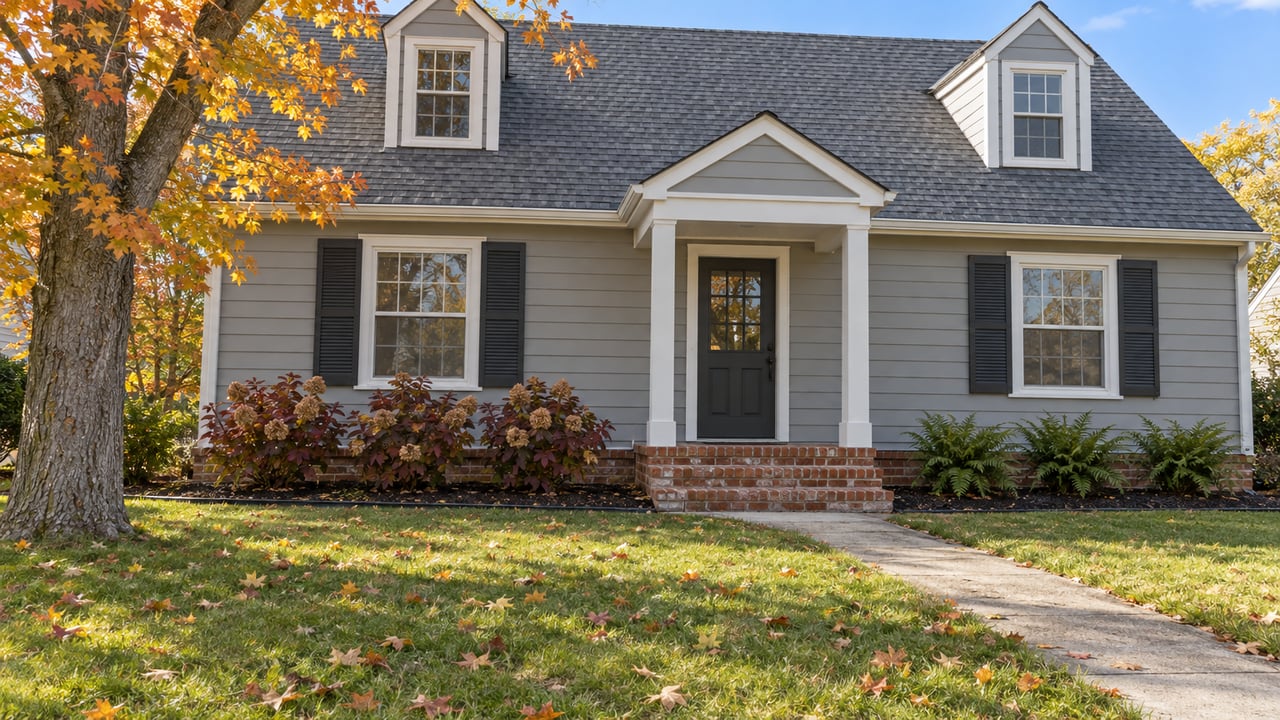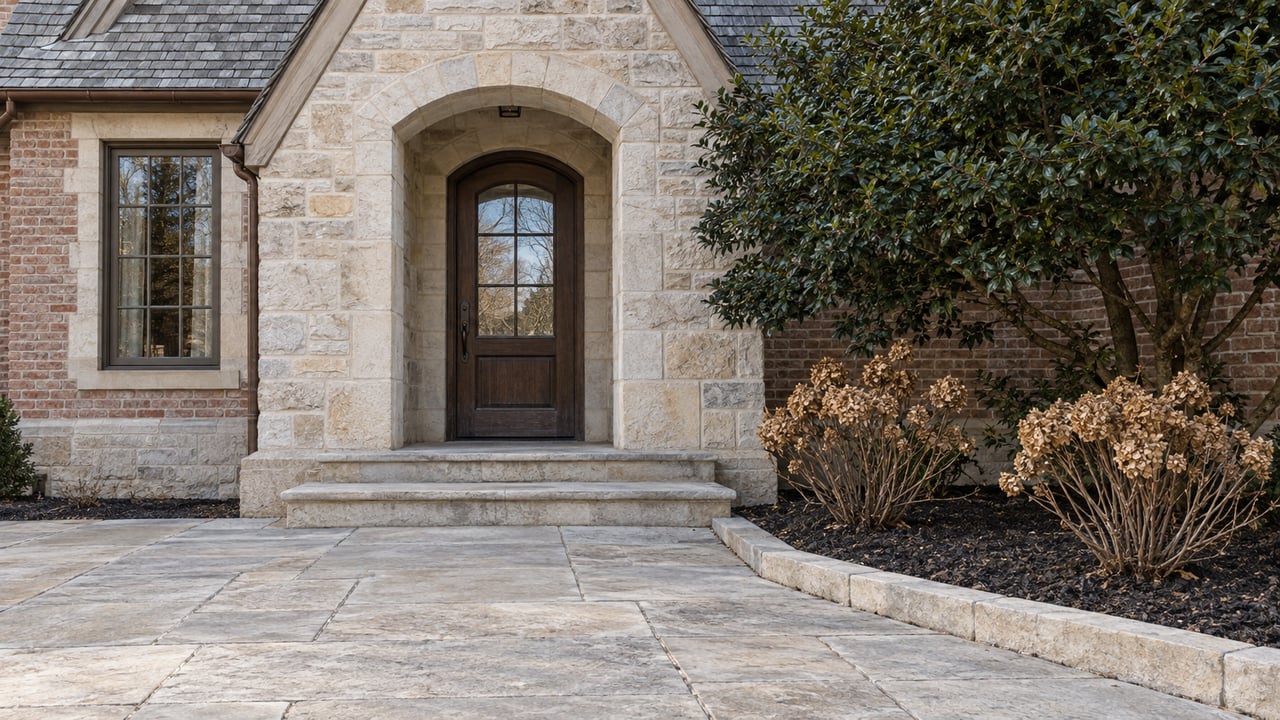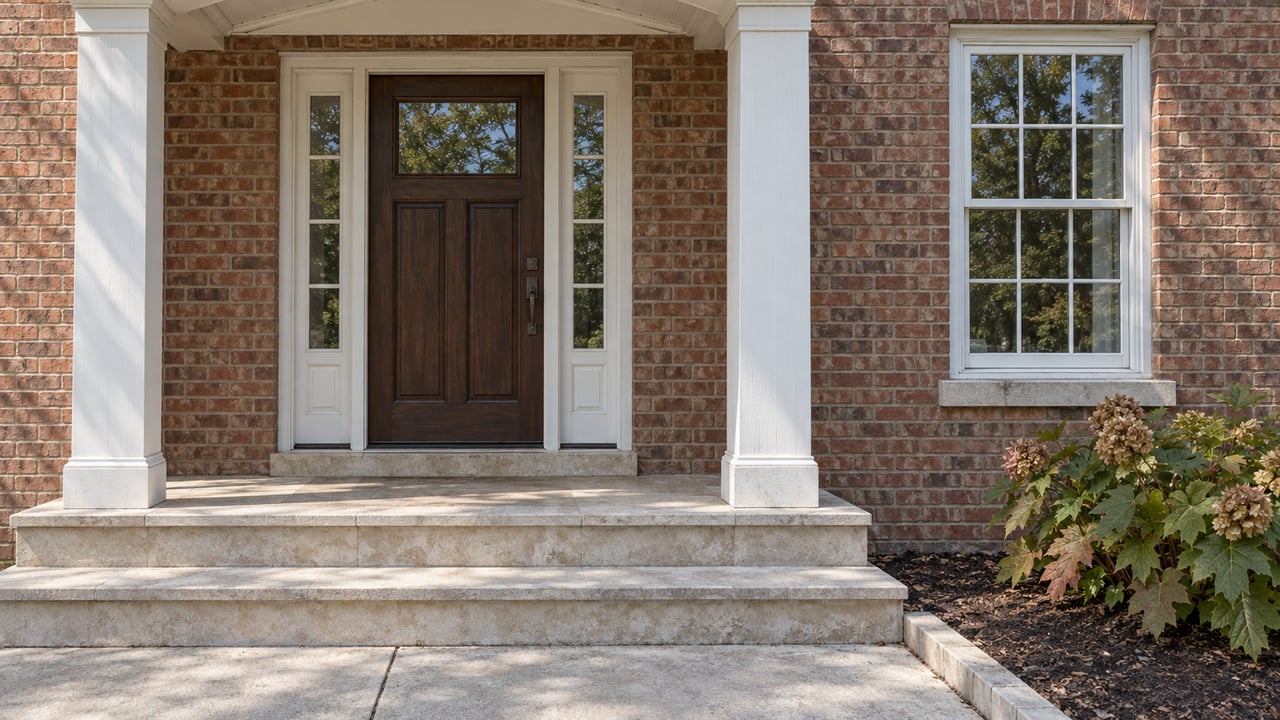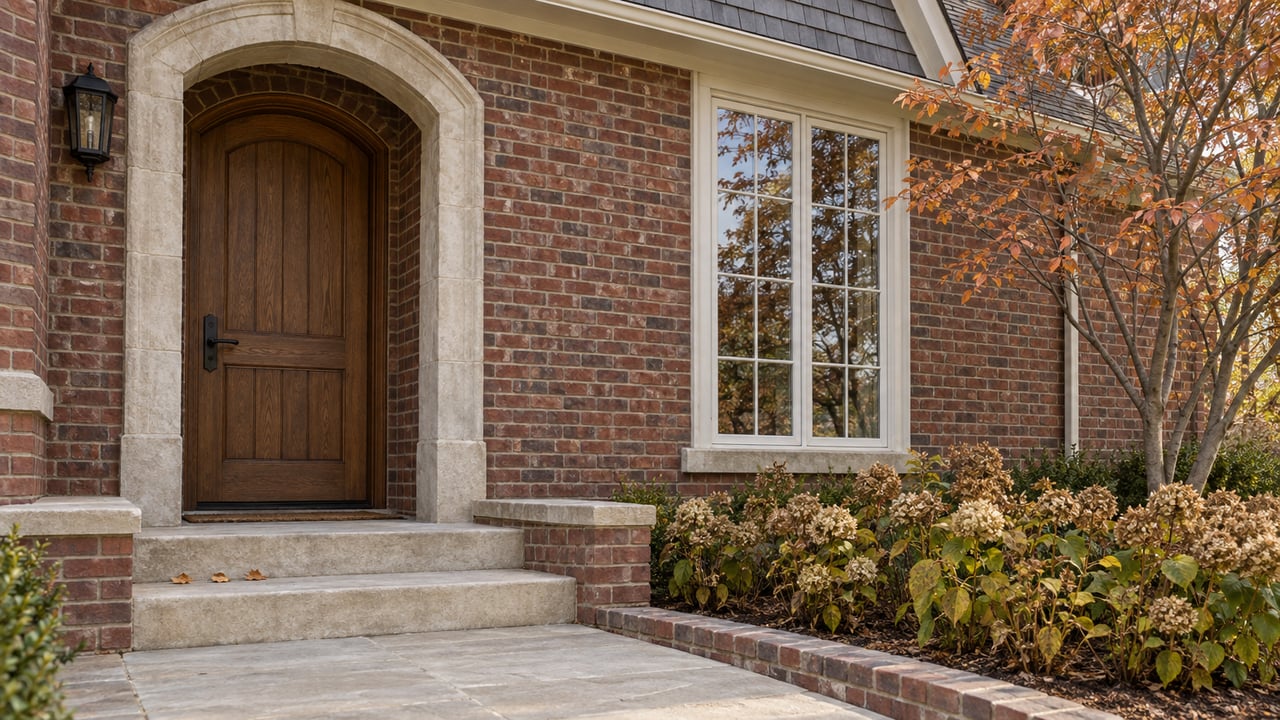
Buying a historic home in Webster Groves can feel a little like falling in love at first sight. The charm is real, but so are the questions that come with an older property, especially if you are thinking about repairs, updates, or a quick move-in. If you want character without costly surprises, it helps to know how Webster Groves handles historic homes before you write an offer. Let’s dive in.
Why Webster Groves historic homes stand out
Webster Groves has a long residential history, with homes dating from the mid-1800s to the present. The city reports 48 historic landmarks and five historic districts, which means buyers are not just shopping for an older home. You may also be buying into a property with local preservation rules that affect future exterior changes.
That distinction matters. In Webster Groves, the first question is not simply how old the home is. It is whether the property is a local landmark or located within one of the city’s historic districts, because each district has its own charter and preservation guidelines.
The good news is that historic designation is not meant to freeze a house in time. The city says the goal is to manage change, not stop it, and ordinary maintenance plus most interior work usually do not require Architectural Review Board or Historic Preservation Commission review. Exterior changes are where buyers need to pay close attention.
Check district status before you offer
If you are serious about a historic home in Webster Groves, this should be part of your early due diligence. A home can look similar to another older property nearby but fall under different rules depending on the district or landmark status.
Ask these questions right away:
- Is the home in a local historic district?
- Is it a designated local landmark?
- Which district-specific guidelines apply?
- Have any exterior changes already been made, and were they approved if required?
This step can help you avoid confusion later. If you already know you want to replace windows, rebuild a porch, add a fence, or update the exterior, district rules and review timing may affect both your budget and your move-in plans.
What older-home condition issues matter most
Historic homes in Webster Groves often come with craftsmanship and materials that buyers love. They may also come with features that need more careful maintenance than what you would find in newer construction.
The city’s preservation guidance highlights the parts of a home that deserve extra attention. These are often the same areas that can affect inspection findings, contractor scope, and renovation costs.
Exterior features to inspect closely
Pay close attention to:
- Roof surfaces and roof shape
- Dormers
- Gutters and flashing
- Chimneys
- Exterior walls and masonry
- Porches
- Doors and windows
- Accessory structures
- Fences
In district guidance such as Webster Park, the city encourages owners to keep visible roof shapes and materials close to original, preserve original wood windows and porches where possible, use compatible mortar for tuckpointing, and place new mechanical equipment or solar panels where they are less visible from the street. That makes these items especially important during inspections and contractor walk-throughs.
Watch for past replacements
When you tour an older home, ask what appears original and what has been replaced over time. Windows, siding, porches, and masonry repairs can all affect the home’s condition, future maintenance, and whether later updates may need review.
That does not mean replacements are bad. It just means you should understand what was changed, how it was done, and whether those choices fit the property’s historic context.
Lead paint is a key issue in older homes
If the home was built before 1978, lead-based paint should be part of your due diligence. According to the EPA, homes built before 1978 are more likely to contain lead-based paint, and renovation work can create lead dust.
This matters for both health and project planning. Buyers of most pre-1978 housing have a right to lead-hazard disclosures before signing a contract, and qualifying renovation work in pre-1978 homes requires lead-safe certified contractors.
If you are planning to repaint, repair trim, replace windows, or open walls soon after closing, bring this up early with your inspector and contractor. It is much easier to price and schedule work correctly when you know lead-safe practices may be required.
Understand permits and review before closing
One of the biggest mistakes buyers make with historic homes is assuming they can sort out permits after they move in. In Webster Groves, it is smarter to ask permit and review questions before you finalize the deal.
The city requires a building permit for exterior or interior construction or alteration, additions, demolition or moving of a structure, and certain system changes. The city also says permits are issued only to contractors registered with Webster Groves, unless the homeowner is acting as general contractor on an owner-occupied home.
That means your contractor choice matters from the start. If you already know you want to do work after closing, ask whether the contractor is registered with the city and whether the project may need local review in addition to a permit.
When ARB or HPC review may apply
The Architectural Review Board reviews new construction and renovation work that affects the exterior appearance of the main building. It also reviews sign permits and fences in historic districts.
For historic-district and landmark projects, the city may require a submission package that includes:
- A building permit application
- A boundary and improvements survey
- Seven sets of plans
- Exterior elevations
- Photos
- In some cases, a Certificate of Appropriateness
The city requires applications to be filed by the deadline before the meeting, and the Historic Preservation Commission asks that petitions be filed at least 20 days before the meeting date. For major projects, the city also encourages preliminary review before you pay for full construction drawings.
For buyers, the takeaway is simple: exterior plans can add time. If your purchase depends on making immediate visible changes, ask about review timing before you commit.
Plan for occupancy requirements
If you expect to close and move in quickly, occupancy rules should be on your checklist. Webster Groves requires a passed occupancy inspection before an occupancy permit can be issued, and the occupancy permit is required before moving into a dwelling.
The city currently lists fees of $75 for the inspection and $30 for the permit. While the cost is modest, the timing still matters, especially if you are coordinating movers, a lease ending, or a sale of your current home.
Questions to ask before writing an offer
A strong offer on a historic home is not just about price. It is also about knowing what you are buying and what your first six months of ownership may really look like.
Ask the inspector
Use the inspection period to focus on the elements most likely to affect cost and preservation-sensitive work.
- What appears original, and what has been replaced?
- What signs of deferred maintenance do you see?
- Are the roof, gutters, flashing, masonry, chimneys, windows, porches, or basement showing water intrusion or structural stress?
- Do you see issues that could trigger lead-safe work if we repaint or renovate?
Ask the contractor
If you are planning updates, bring in a contractor early.
- Will this work require a building permit?
- Will it need ARB review or a Certificate of Appropriateness?
- Are you registered with Webster Groves to pull permits?
- If the home is pre-1978, are you prepared to use lead-safe work practices?
Ask your agent
Your agent should help you connect the property details, city rules, and your timeline.
- Is this property in a historic district or a local landmark?
- Which local guidelines apply?
- How long could review take if we want to change the exterior?
- Will we need an occupancy inspection and permit before move-in?
Research the home’s history
Webster Groves offers strong local resources if you want to learn more about a property before or after you buy. The city recommends starting with the address and legal property description, then checking county records, Sanborn maps, historic walking-tour brochures, and the house itself for clues.
The Webster Groves Public Library says its Kate Moody Collection includes more than 10,000 digitized historical documents. The Webster Groves Historical Society also offers Century Home plaques for homes that are 100 years old or older.
This kind of research can be helpful if you want to understand past changes, estimate the age of certain features, or simply appreciate the story behind the home you are considering.
Do not assume tax credits apply
Many buyers hear “historic home” and assume there will be tax incentives available for renovations. In Webster Groves, that is not something to take for granted.
The city says there are no local tax-credit programs for city-designated landmarks or properties in a historic district. Missouri does offer a Historic Preservation Tax Credit Program, but eligibility is limited and depends on factors such as whether the property is a certified historic structure and whether rehabilitation expenses exceed 50% of the property basis.
There is also a federal 20% rehabilitation credit for certified historic structures, but owner-occupied residences do not qualify. If tax credits are part of your renovation budget, verify eligibility before you build your plan around them.
The smartest way to buy a historic home here
A historic home in Webster Groves can be a wonderful fit if you love character, established streetscapes, and older architecture. The key is treating charm as the starting point, not the whole story.
Before you write an offer, make sure you understand the home’s district or landmark status, which exterior features may be historically sensitive, what work could trigger permits or review, how lead-safe practices might affect your renovation plans, and whether occupancy timing fits your closing schedule. That preparation can help you buy with confidence and avoid last-minute surprises.
If you are thinking about buying in Webster Groves and want straightforward guidance grounded in local experience, Maureen Onder can help you evaluate the details, ask the right questions, and move forward with a clear plan.
FAQs
What should you check before buying a historic home in Webster Groves?
- Check whether the property is a local landmark or located in a local historic district, because district-specific rules may affect exterior changes, permits, and review timelines.
Do exterior changes on historic homes in Webster Groves need approval?
- Many exterior changes may require a building permit and may also need Architectural Review Board or Historic Preservation Commission review, depending on the property and the scope of work.
Do you need an occupancy permit before moving into a Webster Groves home?
- Yes. Webster Groves requires a passed occupancy inspection before an occupancy permit is issued, and the permit is required before moving into the dwelling.
What older-home issues are common in Webster Groves historic properties?
- Buyers should pay close attention to roofs, gutters, chimneys, masonry, porches, windows, doors, and signs of water intrusion or deferred maintenance, since these features are often central to both condition and preservation concerns.
Should buyers worry about lead paint in older Webster Groves homes?
- If the home was built before 1978, lead-based paint is an important issue to investigate because buyers have disclosure rights and some renovation work must follow lead-safe requirements.
Are there tax credits for renovating a historic home in Webster Groves?
- Webster Groves does not offer local tax-credit programs for city-designated landmarks or historic-district properties, and state or federal credits have specific eligibility rules that should be verified before budgeting a major rehab.